
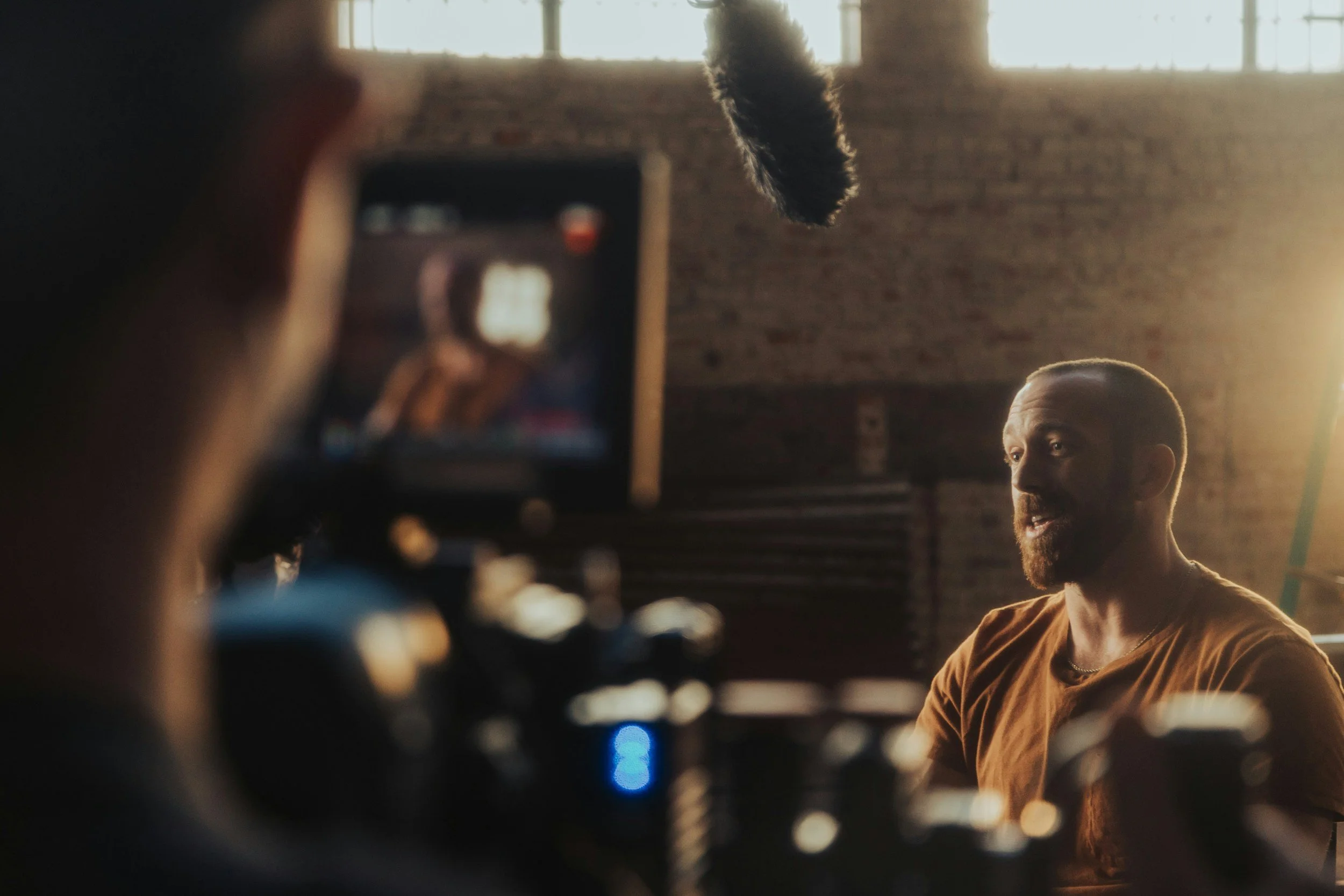
Showcase Your Impact. Grow Your Programs.
Video Production for Youth Education Nonprofits

Funding Fuels Your Mission. Stories Bring It to Life.
Your mission loses momentum when your impact goes unseen. The most powerful way to show donors the difference your programs make is through compelling, story-driven video.
Why Creating Impactful Videos Is Hard for Nonprofits.
The hardest part of making videos is turning your mission into a story people can see and feel. Without guidance, most nonprofits spend countless hours guessing how to visually share their impact.
Understanding the best practices and tools for creating effective videos can be overwhelming and time-consuming.
Including information that your audience doesn’t find relevant can dilute your message and reduce engagement.
Feeling lost or confused about your message after seeing the final video can make all your effort feel wasted.
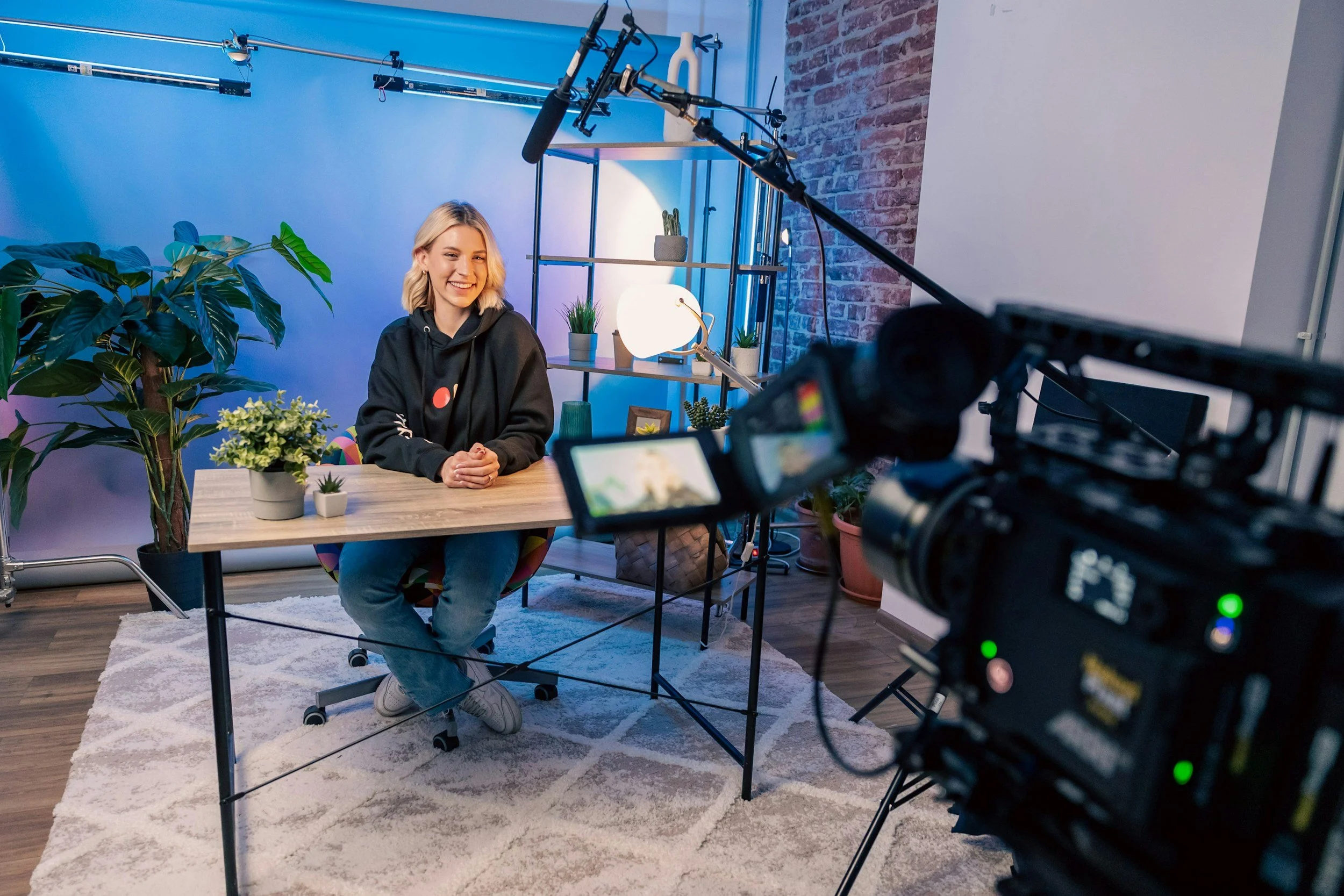
You Can Start Communicating Effectively with Videos That Showcase Your Impact.
Video closes the gap between why your mission matters and the people who can support it. It’s a tool for persuasive communication through visuals, and when done right, it drives real impact.
Your audience will connect with your mission and take meaningful action.
Your audience will champion your cause and share your story with their community.
Your audience will recognize the value of your programs and encourage others to get involved.
Ethos, Pathos and Logos Are the Essential Elements for Your Video
The foundation of all persuasive communication is the Rhetorical Triangle, developed by Aristotle. By leveraging these three persuasive appeals, your organization can increase the likelihood that your audience responds to your message by up to 72 percent. Beyond the video itself, this framework helps reduce overthinking, translate complex ideas into clear short videos, and keep your organization consistent and confident in its messaging.
What People Are Saying About Our Approach.
“Romeo’s knowledge helped students understand the media world they’re living in today. I’m thankful for the tools and insight he provided.”
“Romeo’s approach goes beyond surface-level marketing. He gives entrepreneurs a practical framework for storytelling, and I highly recommend ProductStory Media.”
90-Day Video Communication and Marketing Package
-
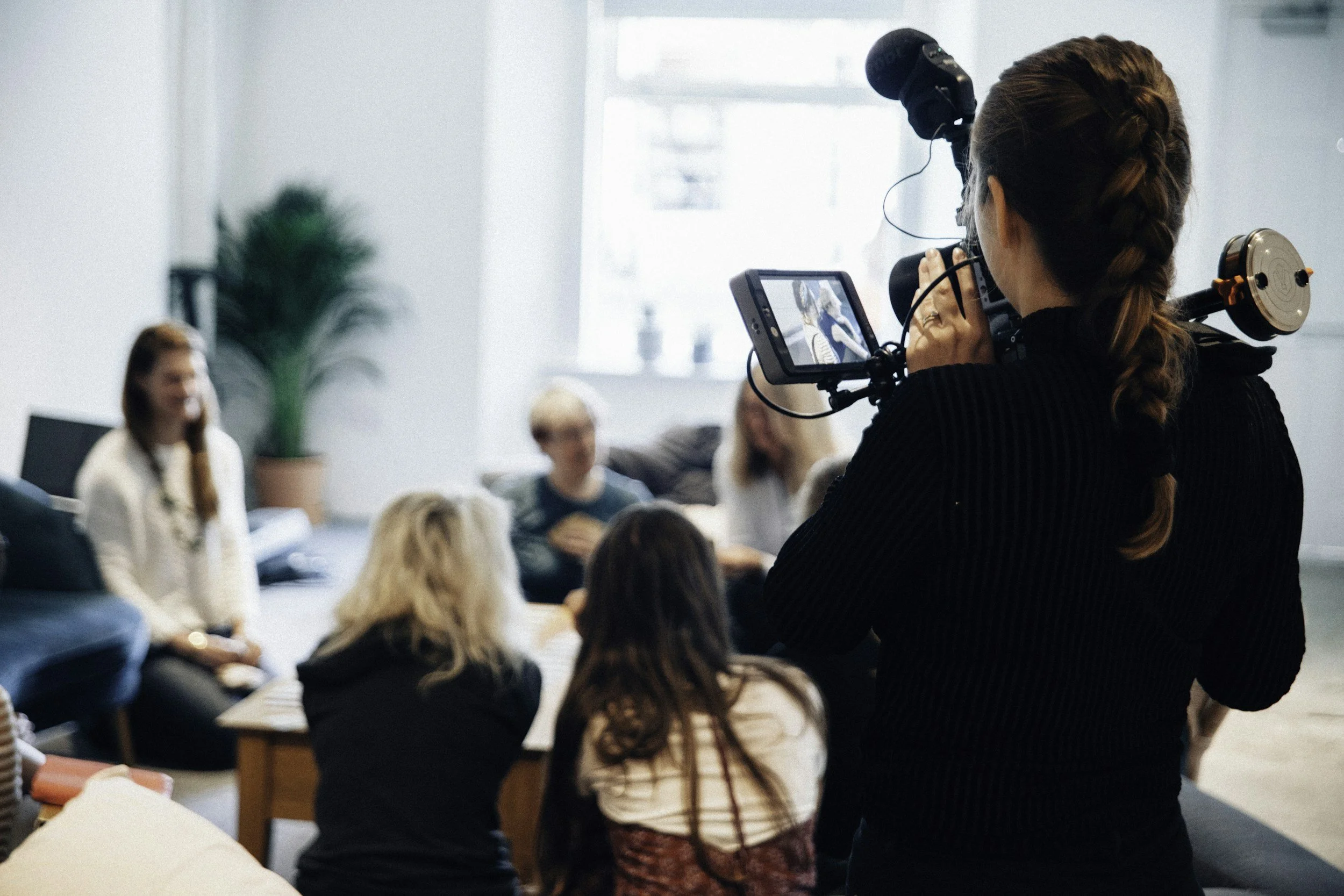
Mission Story + Social Impact Video
The package includes 36 short-form video marketing clips designed to engage social media audiences, reinforce your mission, amplify your fundraising efforts, and drive potential donors to your website. Once on your site, the 90-second Mission Story Video clearly and emotionally conveys your organization’s purpose, impact, and vision, helping turn interest into support.
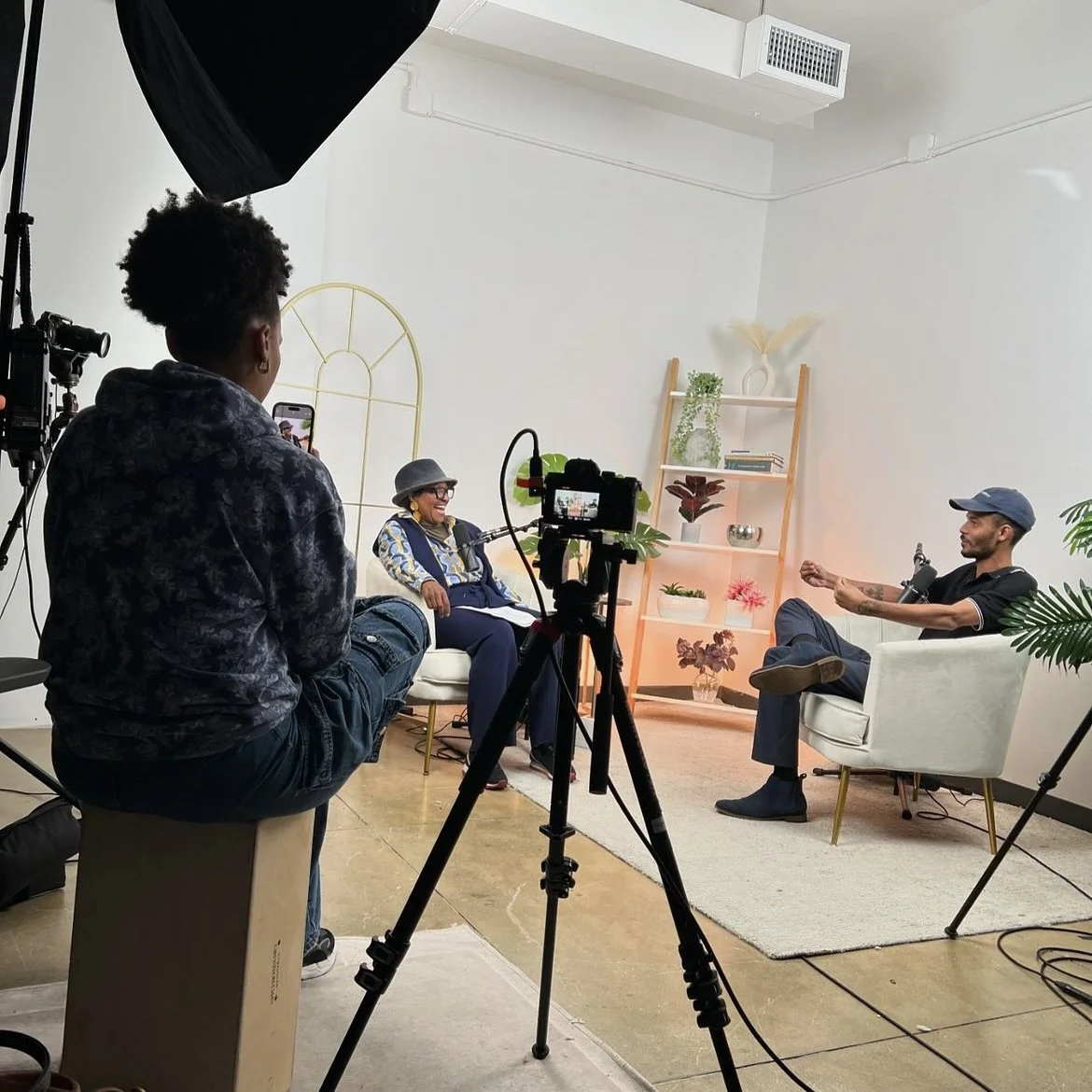
Our team manages the entire production process from planning and strategy to shooting and editing, providing a cohesive set of videos that build trust, highlight your impact, and encourage donors to take action.
Produce Your Mission Story Video In 3 Simple Steps:

Connect with a Video Communications Strategist.

Workshop Your Appeals and Receive a 90-Day Video Communication and Marketing Plan.

Begin Producing Your Video.


Turn Video Into Influence With Rhetoric.
In this focused webinar, Video Communications Strategist, Romeo Ortiz shows why great looking videos still fail and how the Rhetorical Triangle of ethos, pathos and logos changes everything.
Using real commercial examples, he breaks down how credibility, logic and emotion work together to build trust shape perception and move people to act.
Designed for founders and entrepreneurs, this session delivers a simple framework to create persuasive videos and apply it to your brand over the next ninety days.
Every child has potential. Every underserved community has untold stories. Yet too often, the world fails to see the incredible impact your organization is making.
At ProductStory Media, we help youth development nonprofits turn their mission into compelling stories—stories that inspire donors, honor supporters, and showcase the fundamental change happening in your community.
Why Video Matters.
Imagine a student struggling to fit in, discovering confidence through sports.
A young dancer shines on stage, performing for the people who support them.
An aspiring entrepreneur pitching a business they created—and winning.
These are not just stories—they’re proof that your programs work. With the right storytelling, you can:
Show Transformation: From the first step to real growth.
Celebrate Supporters: Give donors, volunteers, and partners the recognition they deserve.
Inspire Action: Make it easy for people to contribute, get involved, and spread your mission.
Our Approach.
We create mission videos, case study videos, and supporter spotlights that:
Highlight the impact of your programs on real students.
Strengthen credibility with donors and community partners.
Build a library of content you can use for campaigns, social media, and fundraising.
See Your Impact. Amplify Your Mission.
Don’t let your stories go unseen. Let us help you show the world the difference you’re making—and inspire others to join you in creating change.
Empower the Next Generation of Leaders

Questions You May Have.
-
A: That’s a fair question! Currently, we do not have work showcased on our website because our past projects no longer reflect who we are today. Earlier work was general business video, and like any learning process, mistakes were made along the way. The good news is we are actively creating new work that reflects a professional finish, incorporates rhetorical elements, and aligns with the specific video types we focus on.
-
A: Great question. We currently work with a select group of video production partners, bringing in directors, cinematographers, editors, and assistants as needed for each project. This allows us to scale our team and expertise based on the specific needs of every video.
-
A: Ah, everyone’s favorite topic—money. The cost of a video varies depending on several factors, including the type of video, the crew required, the tools and equipment needed, locations, and the length of the shoot days. Different budget levels will get you different visuals and levels of flexibility.
In short, an 8-hour, one-day shoot in a single location with a small crew will cost significantly less than a three-day shoot with multiple locations and a full crew. Ultimately, the investment depends on the desired outcome and the quality of production you’re aiming for.
-
A: Defining your appeals is essentially an audit designed to examine who you are and what your organization stands for. The goal is to identify and highlight the most compelling aspects of your story that your audience needs to hear and see in order to take action.
For example, if your organization focuses on improving education in underrepresented communities and you want people to donate, it’s important to showcase the work you’ve already done. If you’ve been transforming hundreds of lives through education over the past five years, this should be highlighted. This is an Ethos appeal, which emphasizes your credibility and authority in your area of focus.
-
A: We love this question. The rhetorical triangle is far from a gimmick—it’s a set of best practices for effective communication. In fact, commercials and ads use these appeals all the time to persuade people to take action. Any commercial asking for donations, any ad trying to sell a product, or even the movies you watch are built around these three appeals. The more a message leans into them, the stronger and more persuasive it becomes. We go deeper into this in our webinar, which you can find on our YouTube channel.